Pakistan Energy Conference 2026 Concludes in Islamabad with Call for Policy Reform and Energy Sector Modernization
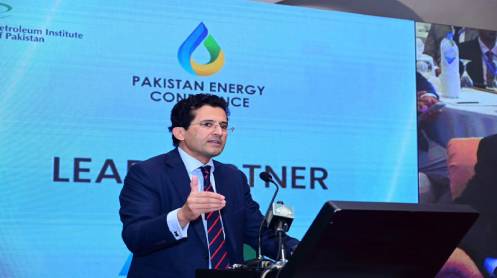
The Pakistan Energy Conference (PEC) 2026, the flagship forum of Pakistan’s oil and gas industry organized by the Petroleum Institute of Pakistan (PIP), successfully concluded on August 20 at Serena Hotel, Islamabad.
Held under the theme “Shaping Energy Security through Policy Reform & Technological Innovation,” the conference brought together senior government officials, industry leaders, regulators, energy experts, and technology professionals to discuss the key challenges and opportunities shaping Pakistan’s energy sector.
The discussions focused on policy reform, investment, energy security, technological innovation, and stronger collaboration across the integrated energy value chain.
The conference opened with a welcome address by Amer Tufail, Chairman PIP and Managing Director SNGPL, who reaffirmed PIP’s commitment to providing a platform for meaningful dialogue between the government, regulators, and industry stakeholders.
Minister for Energy (Petroleum Division) Ali Pervaiz Malik, who attended as Chief Guest, outlined key government initiatives aimed at strengthening Pakistan’s energy security and improving the efficiency and competitiveness of the sector. He highlighted plans to upgrade existing refineries into deep-conversion refineries under a new refinery policy, with the objective of modernizing the downstream sector, improving product yields, and reducing reliance on imported refined products.
A major highlight of the conference was an address by Federal Secretary Petroleum Division Hamed Yaqoob Sheikh, followed by keynote presentations from prominent industry and energy experts, including Faheem Haider, MD/CEO Mari Energies; Jesus Lamas, President SLB MENA; Dr. Naveed Arshad, Director LUMS Energy Institute; Azfar I Mir, Managing Partner A.I. MIR; and Muhammad Ali, CTIO Sky47 Limited.
The high-level panel discussions addressed several critical areas of Pakistan’s energy landscape, including:
Policy, Reforms & Investment Outlook for Pakistan’s Energy Sector: Discussions covered regulatory predictability, long-term energy planning, pricing reforms, sustainable gas and RLNG supplies, circular debt, energy efficiency, deregulation, and investor confidence.
Pakistan’s Downstream, Oil & Refining Sector – Challenges & Future Roadmap: The session examined strategic storage, refinery modernization, supply-chain efficiency, oil infrastructure, and the transition towards cleaner fuels.
AI & Emerging Technologies: Experts explored the role of artificial intelligence in improving operational efficiency, integrated energy planning, consumer affordability, digital transformation, and data-driven decision-making.
The conference concluded with a strong consensus on the need for predictable policies, investment-friendly reforms, modernized energy infrastructure, digital transformation, and stronger government-industry collaboration to create a more resilient, efficient, and competitive energy sector.
The event was attended by representatives and stakeholders from leading energy companies and institutions, including Mari Energies Limited, Oil and Gas Development Company Limited (OGDCL), Pakistan Petroleum Limited (PPL), Pakistan State Oil (PSO), United Energy Pakistan Limited (UEP), PARCO, Pakistan Refinery Limited (PRL), National Gas Company Limited (NGPL), Attock Refinery Limited (ARL), Sui Southern Gas Company (SSGC), and the Petroleum Division, Ministry of Energy, Government of Pakistan.